- kempsclinic307@gmail.com
- +91 9868317357








Prostate Enlargement (BPH) Care
- Home
- Prostate Enlargement (BPH) Care
What Causes Prostate Enlargement (BPH)?
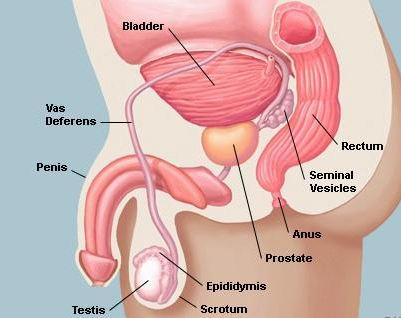
Benign Prostatic Hyperplasia (BPH) is primarily linked to natural hormonal changes that occur as men age.
As testosterone levels gradually decrease, another hormone called dihydrotestosterone (DHT) continues to stimulate prostate cell growth. Over time, this leads to the gradual enlargement of the prostate gland.
While aging is the most common factor, several other elements can increase the risk of developing BPH:
Family History: Men with close relatives who have prostate problems are more likely to develop BPH.
Lifestyle Factors: A sedentary lifestyle, lack of exercise, and obesity can contribute to hormonal imbalance and prostate growth.
Chronic Health Conditions: Diabetes, heart disease, and high blood pressure are often associated with an increased risk of BPH.
Medications: Long-term use of certain drugs — such as antihistamines, decongestants, or antidepressants — can affect bladder function and worsen urinary symptoms.
Our Advanced Treatments & Procedures
Why Choose Dr. Pawan Kesarwani for Prostate Enlargement (BPH) Care?
Choosing the right urologist for prostate problems is an important decision — one that can make a lasting difference in your comfort, confidence, and overall quality of life.
With extensive experience in diagnosing and treating Benign Prostatic Hyperplasia (BPH), Dr. Pawan Kesarwani provides world-class care using a combination of medical expertise, advanced technology, and a compassionate approach.
- Expertise You Can Trust: Years of experience in complex urological reconstruction.
- Personalized Care: Each treatment plan is tailored to your unique anatomy and goals.
- Advanced Technology: Latest surgical tools, imaging, and minimally invasive options.
- Compassionate Support: From consultation to recovery, you’re cared for every step of the way.
“Our mission is not just to restore function — but to help you live a fuller, more confident life.”
— Dr. Pawan Kesarwani